Motion-led exploration of how a single photography set can become scalable social-first brand content. This self-directed spec project transforms one Open Water photoshoot into a motion system for Instagram and TikTok using a Lightroom → Photoshop → After Effects pipeline to produce two connected, brand-ready assets.
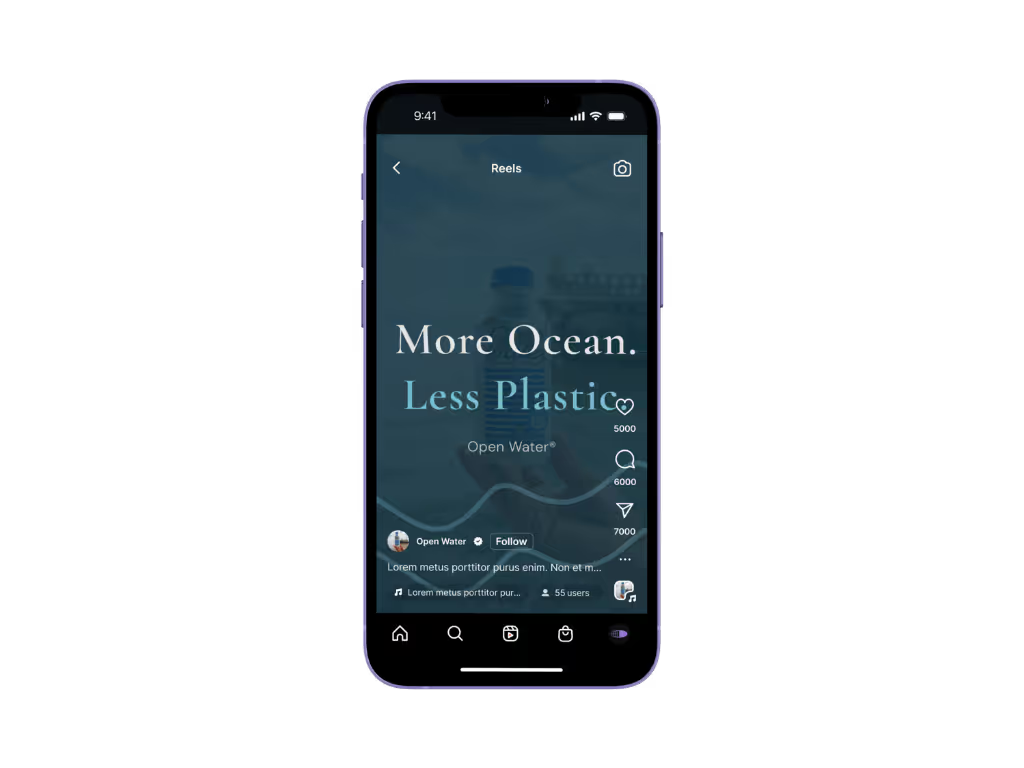
Solo – Photography, Motion Design, Post-Production
2 Days
Adobe Lightroom | Adobe Photoshop | Adobe After Effects | Adobe Media Encoder
Most beverage brands rely on high-budget production to create social-ready motion content. As a self-directed project with no client brief, no production crew, and no budget, the challenge was to determine whether a single photography session and a multi-app post-production pipeline could produce motion assets that feel native to Open Water's visual world and deployable without modification.
The additional constraint: every creative decision had to be grounded independently in brand research and creative judgment, with no client feedback loop to course-correct against.
Pain Points
How might I turn a single set of original photographs, already validated by the brand, into two distinct motion assets that each feel intentional, on brand, and ready to deploy?
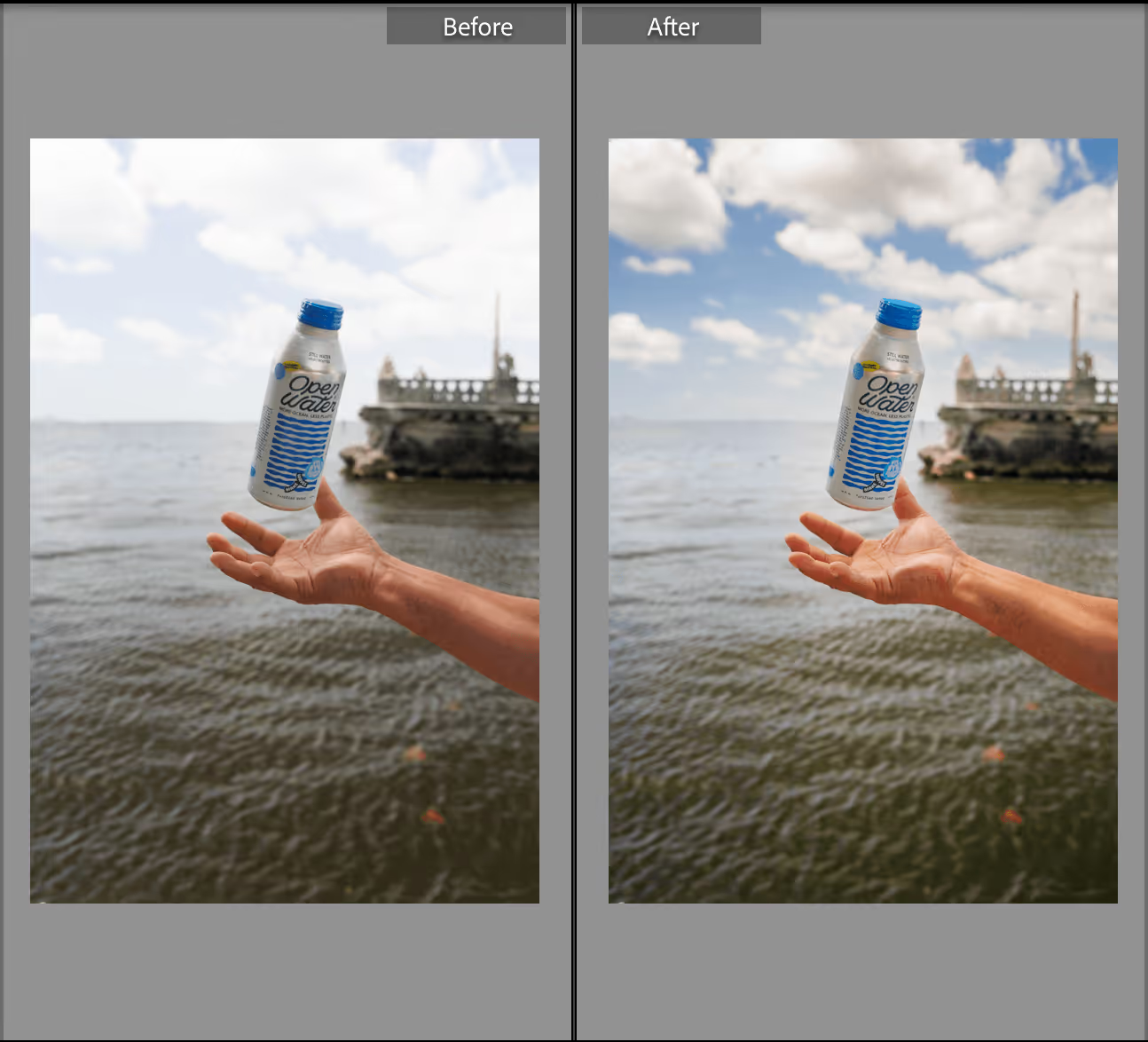
Step 1: Photography & Lightroom
Shot on location at Vizcaya Museum and Gardens in Miami with shallow depth of field to isolate the product. Developed a consistent color grade across all source images in Lightroom, matching exposure, white balance, and tone so both assets would feel unified in the same campaign context.
Step 2: Photoshop
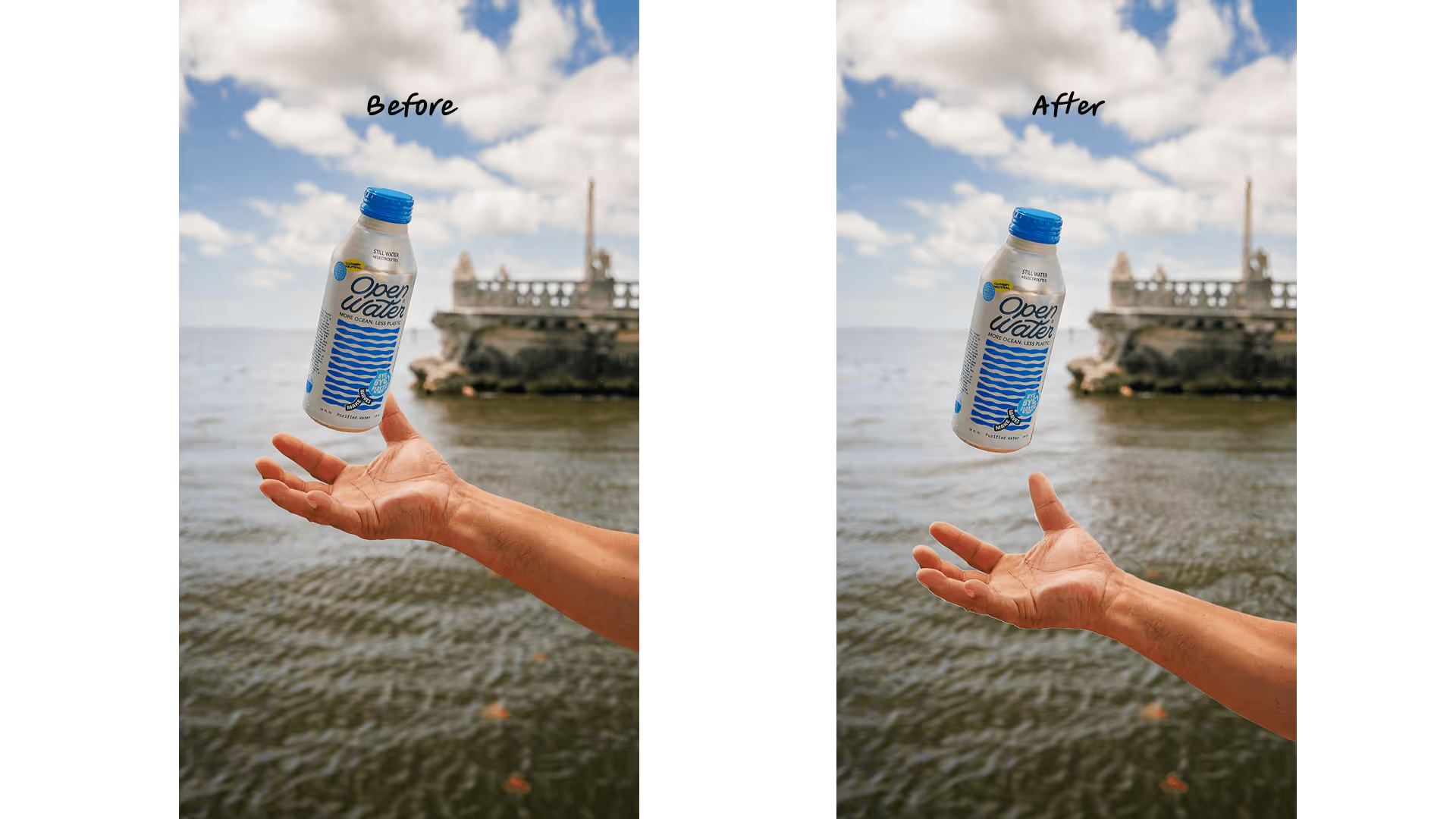
Isolated the hand and bottle from each background using Select Subject with manual mask refinement, exporting transparent background PNGs for compositing. One image presented an additional challenge: the throwing composition required the thumb to be fully visible for the motion to read as physically believable, but the original photo had it partially obscured. To reconstruct it, I duplicated the hand layer and composited a complete finger beneath the thumb as a structural base, used the close stamp to remove the seam, color graded the reconstructed section to match the existing thumb's tone and texture, then masked the layer and painted back lost detail from the original with a brush. The result is a hand that reads as anatomically complete with a detail that most viewers won't notice, which is exactly the point.
Step 3: After Effects
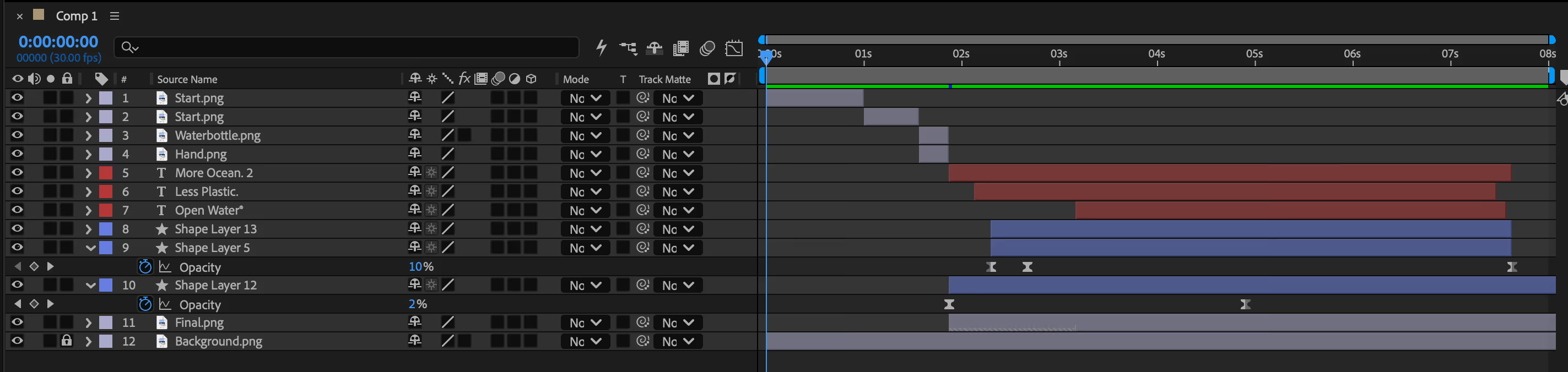
Built two distinct compositions from the composited assets. In the first, I animated the hand and bottle using position and opacity keyframes to simulate a throwing motion, then added a staggered tagline animation and hand-drawn wave lines, created with the pen tool and animation in After Effects that echo the wave illustration on the bottle label itself, tying the motion language directly to the product's visual identity.
The second composition brought the isolated assets together with original ocean footage. The source audio contained distracting ambient noise, so I replaced it with royalty-free ocean sound, adjusting the volume to sit as an ambient level rather than competing with the visual. An adjustment layer color grade unified the composited still elements and live footage into a single, consistent visual world. I added a subtle scale animation on the static layer to add just enough life to the static element to prevent it from reading as a flat cutout against the moving footage.
Assets were exported through Adobe Media Encoder, allowing format and size flexibility for deployment across platforms.
Asset 1
Product Reveal
The environment establishes first, bottle emerges from the scene. Tagline closes the sequence.
Asset 2
Brand moment
Still product against a living ocean background. Ambient sound design. The contrast of stillness and movement carries the brand message.
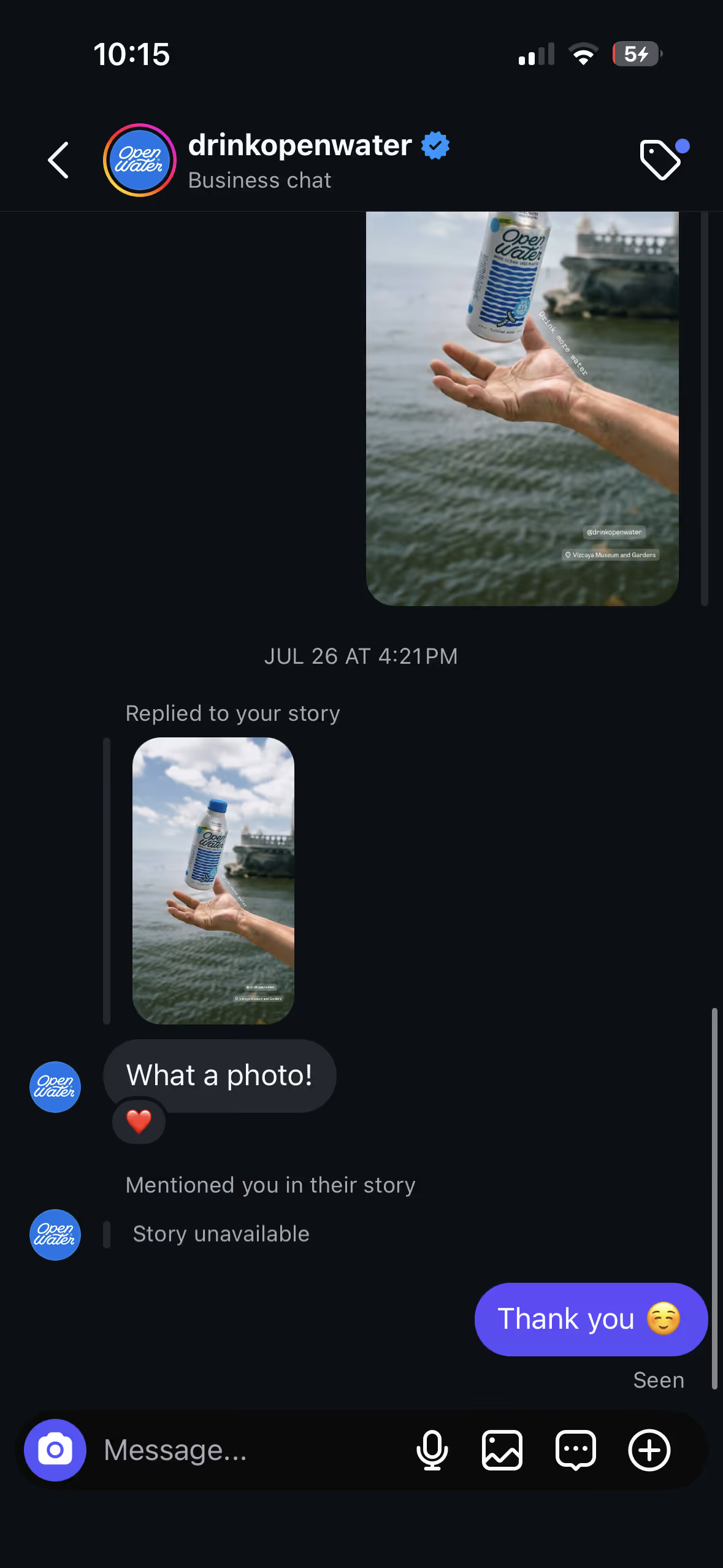
Open Water reposted the source photography to their Instagram Stories before this project began, confirming the creative direction was already aligned with their brand sensibility. This project demonstrates that with the right pipeline, a single photography session can produce multiple deployable marketing assets without additional production cost.
This project taught me to treat post-production as a design system, and not a series of isolated steps. Decisions made in Lightroom affected Photoshop. Decisions made in Photoshop shaped what was possible in After Effects. Working across the full pipeline independently sharpened my understanding of how each tool's output becomes the next tool's raw material.
Have a project in mind? Let's discuss how we can scale your brand through design.